

Total cost of ownership (TCO) is where high‑incline enclosed conveyors and transloaders really separate themselves from cheaper, conventional options. The price on the quote is only the starting point; long‑term reliability, maintenance, and downtime tell the real story.
Defining Total Cost of Ownership For Bulk Handling Equipment
TCO captures every cost associated with a conveyor or transloader throughout its life, not just the initial purchase. It includes capital cost, power consumption, labor, maintenance, spare parts, downtime, cleanup, and even regulatory or safety‑related expenses.
In bulk handling, belt failures, chronic spillage, and dust problems are often the highest hidden costs. A system that looks inexpensive on day one can become far more expensive if it requires frequent belt repairs, constant housekeeping, or unplanned shutdowns. By contrast, high‑incline enclosed systems engineered for durability and dust control are designed to reduce recurring budget hits over a 10–20 year life.
Comparing Lifecycle Costs: High‑Incline Enclosed vs. Conventional Systems
Conventional low‑incline systems often appear cheaper per meter, but they usually demand more structure, more transfer points, and more dust collection to reach the same elevation. Every additional transfer point adds components to maintain, extra energy losses, and more places for spillage and dust to escape. High‑incline enclosed conveyors simplify layout by rising steeply and enclosing the material from intake to discharge, reducing both component count and housekeeping.
Cambelt’s one‑piece corrugated sidewall belts remove the weak glued interfaces found in many traditional belts, significantly reducing sidewall and cleat delamination. Fewer belt failures mean fewer emergency shutdowns and lower repair costs over time. Over the full lifecycle, operators often find that the higher‑spec high‑incline enclosed system becomes the lower‑cost option when measured per ton of material handled.
Uptime, Maintenance, and Spare Parts Planning
Uptime is the currency of any transload yard or plant. Cambelt emphasizes preventive maintenance and robust belt construction—such as monolithic sidewall designs and heavy‑duty nubs—to keep conveyors and transloaders running consistently at high capacity. Regular inspections and lubrication, especially on bearings and drive components, help catch issues early and avoid the extreme cost of an unexpected outage.
Because high‑incline enclosed systems eliminate many transfer points and use fewer belt types, the spare parts strategy becomes simpler and more predictable. Operators can stock a limited set of belts, sidewalls, and components across multiple sites, reducing inventory costs while maintaining uptime. Over time, this standardization reduces maintenance hours per ton handled and makes them more stable, directly improving TCO.
Risk, Safety, and Compliance as Economic Factors
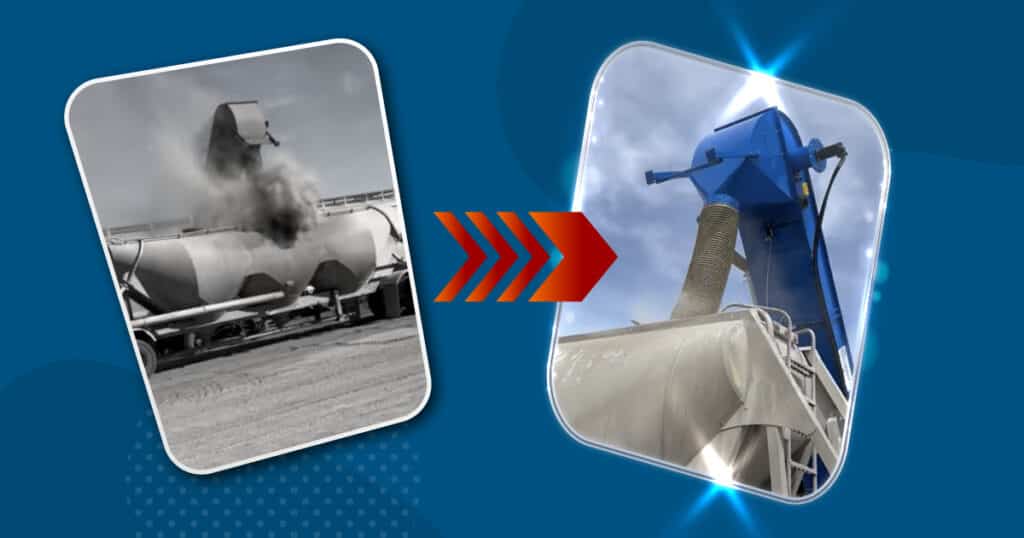
Dust, spillage, and safety incidents carry real financial consequences, from cleanup to fines to lost production. High‑incline enclosed conveyors keep bulk material within the conveyor structure, greatly reducing fugitive dust and cleanup requirements compared to open, low‑incline systems. With fewer exposed transfer points, there are fewer locations where dust clouds can form or product can build up under structures.
Better containment supports compliance with air‑quality rules and reduces the risk of slips, trips, and other safety incidents tied to material on walkways. For rail‑served terminals and industrial plants that market reliability and environmental performance to their customers, this lower risk profile is part of the economic value of a high‑incline enclosed solution.
Practical ROI Calculator Framework
Turning TCO into a clear business case starts with a simple ROI framework. The key inputs are annual tons handled, operating hours, energy price, labor rates, average cleanup time, planned maintenance hours, and the historical cost of unplanned downtime. For each option—conventional vs. high‑incline enclosed—operators estimate yearly spending on power, labor, maintenance, spare parts, cleanup, and downtime, then project these over the expected life of the system.
The capital cost difference is then weighed against the cumulative savings in operating and risk‑related costs. When a high‑incline enclosed conveyor or transloader extends belt life, cuts cleanup, and avoids even a few major outages, the payback period often shrinks to a few years, after which the system continues to deliver savings for the rest of its service life. This structured approach helps teams justify upgrades not only on performance and safety grounds but with clear, quantifiable financial returns.
FAQs(Frequently Asked Questions)
Q1. Why do high‑incline enclosed conveyors often have a better total cost of ownership than cheaper conventional systems?
They reduce the number of transfer points, limit dust and spillage, and use monolithic sidewall belts that resist delamination, which cuts maintenance, cleanup, and unplanned downtime over the system’s life. When these savings are added to more reliable uptime, the lifetime cost per ton handled is typically lower than for a conventional low‑incline layout spread across multiple structures.
Q2. What data should I gather to calculate the ROI of upgrading to high‑incline enclosed equipment?
You should track annual throughput, power rates, labor and cleanup hours, maintenance and spare parts spending, and the cost and frequency of unplanned outages for your current system. Comparing these figures against projected values for a high‑incline enclosed design lets you estimate payback time and long‑term total cost of ownership with much greater confidence.