
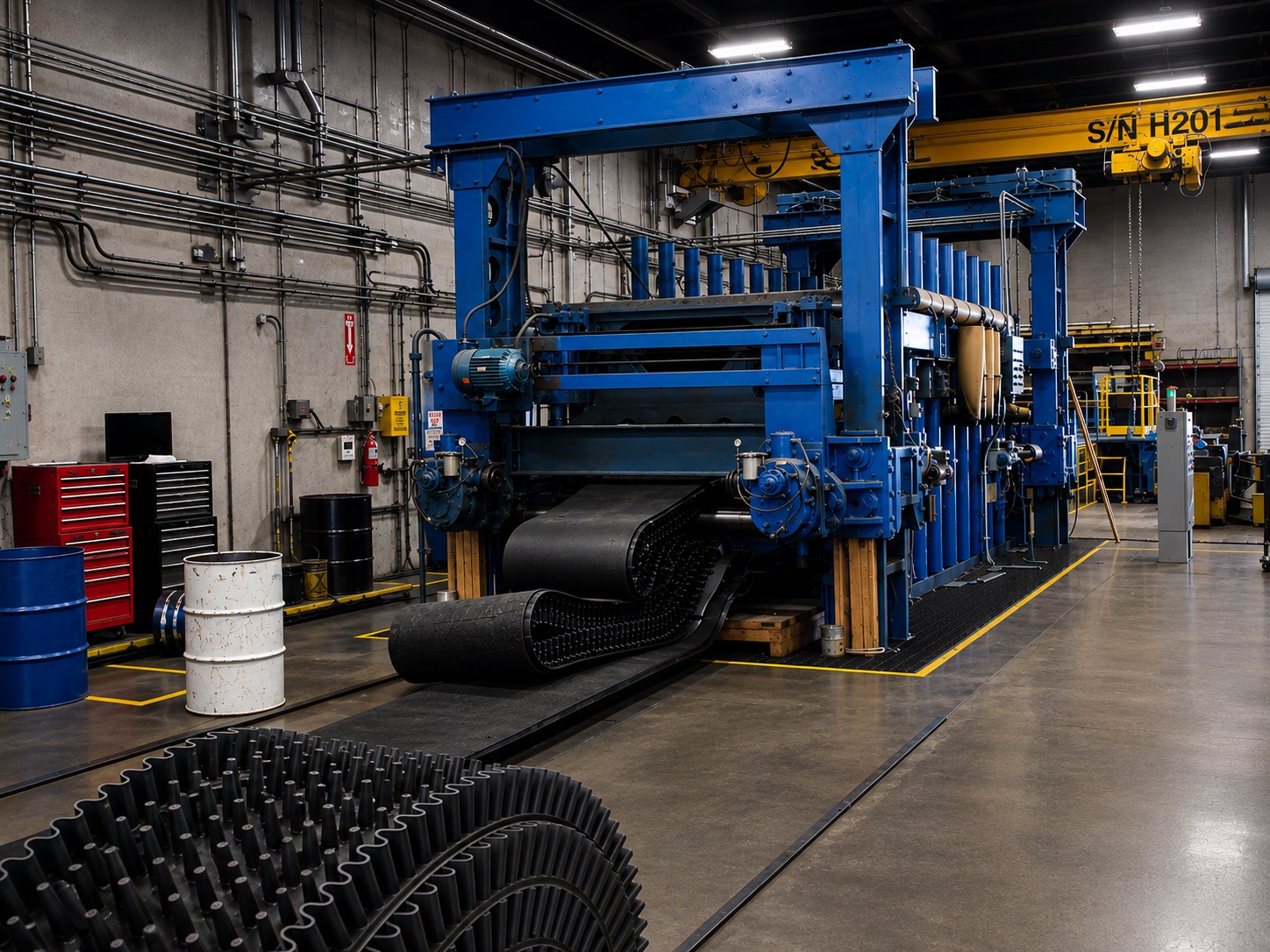
Engineered as one piece.
Not assembled from parts.
Nothing glued on. Nothing to fall off.
One mold.
One belt.
Zero seams.
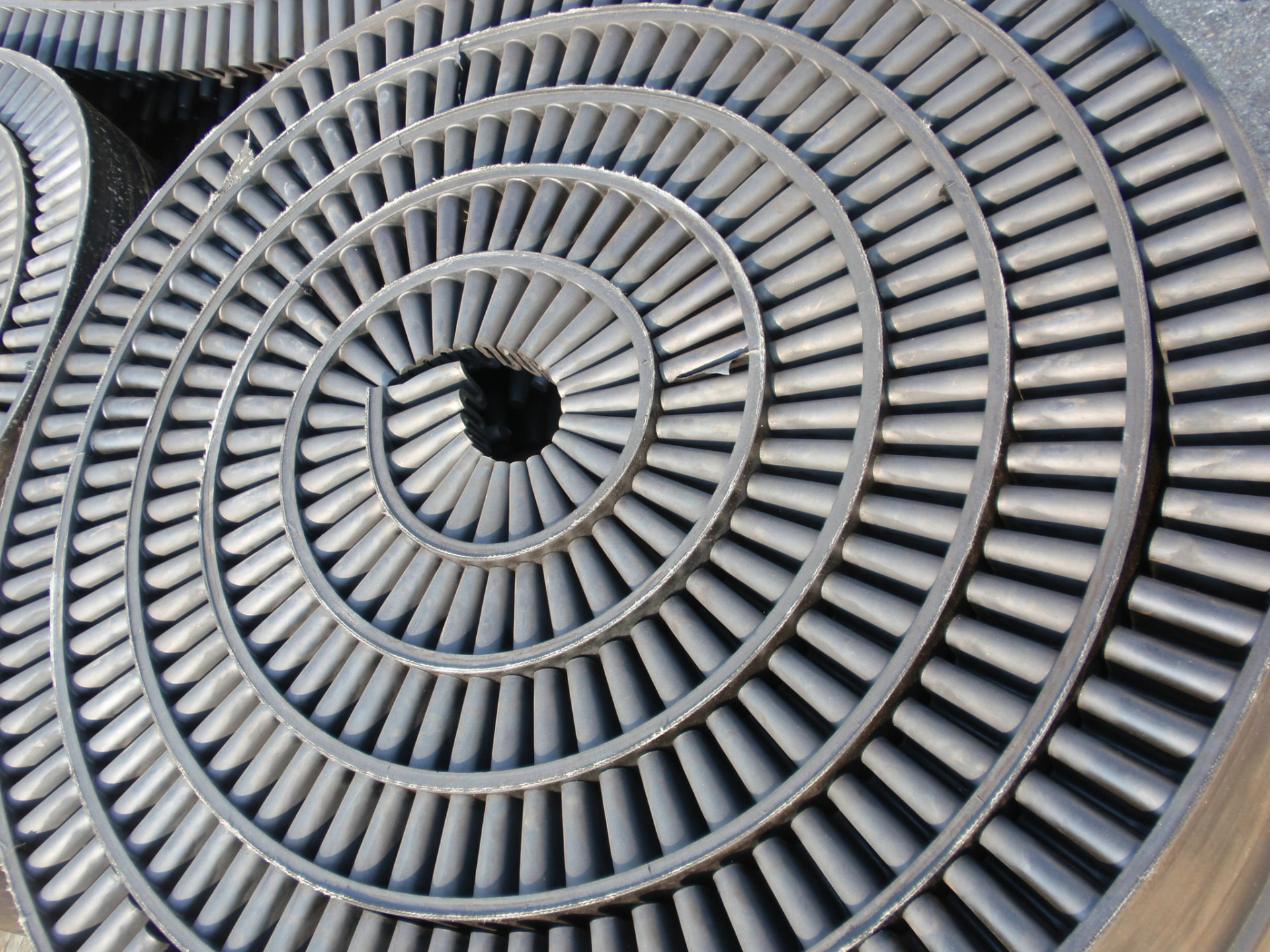
Every Cambelt belt starts as a one-piece molded cleated and sidewall conveyor belt. The cleats and sidewalls are molded directly into the belt as a single continuous piece of rubber, not glued on afterward.
That construction removes the glued interfaces that can delaminate, supporting longer runs between failures in demanding environments.
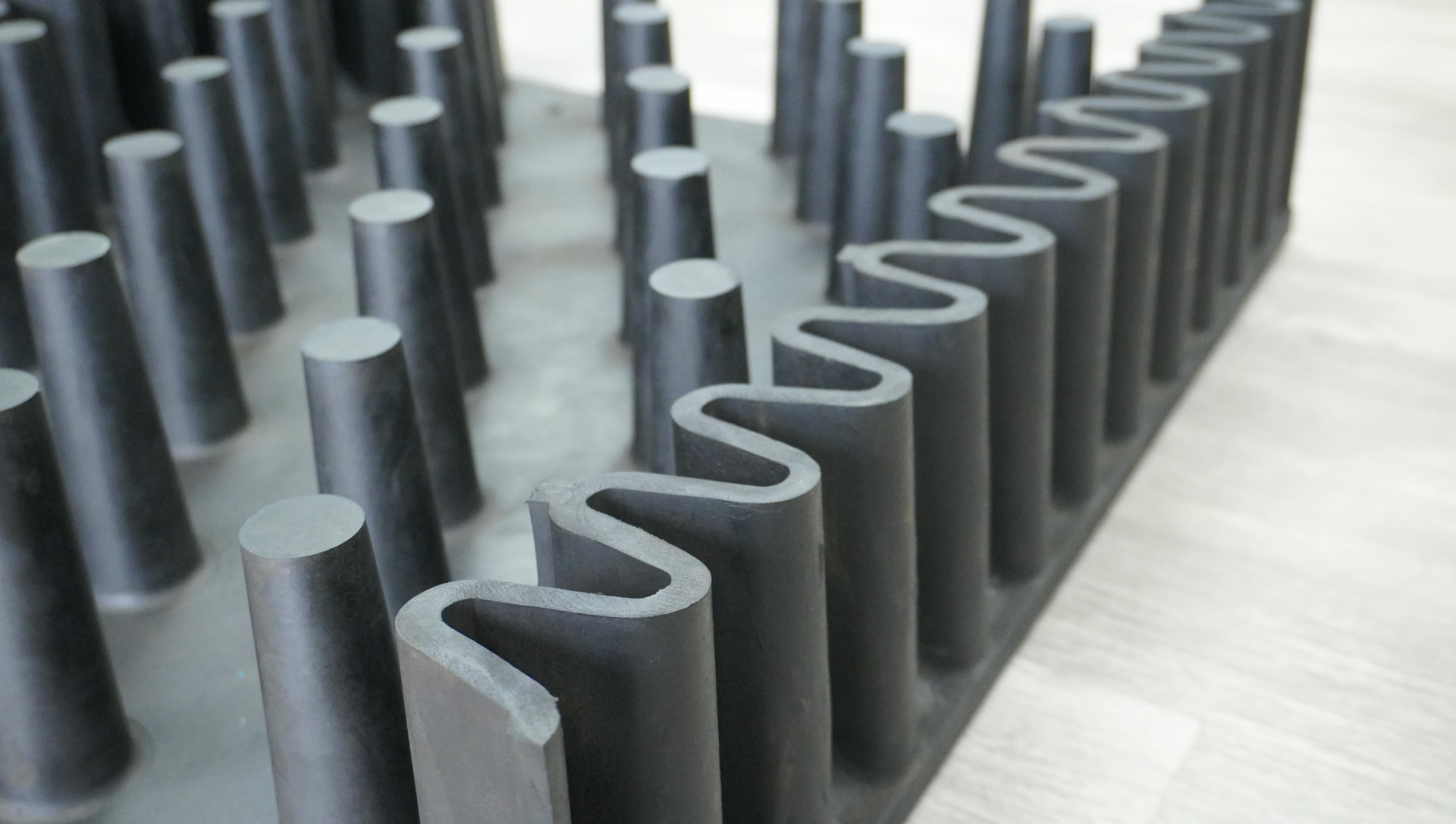
Molded cleats and sidewalls. One continuous piece of rubber.
Most belts slow down
to climb. Ours don't.
A conventional cleated belt gives up throughput as the angle rises — the belt runs slower, the cleats carry less, and the incline taxes every ton. That's the compromise most operations are living with.
Cambelt's nubbed CamFlex and molded Cambelt and CamWall designs are built differently: the carrying surface grips the material and holds it through the climb, so the incline rises without the throughput falling with it. Steeper angles, same tons per hour — that's the difference the geometry makes.
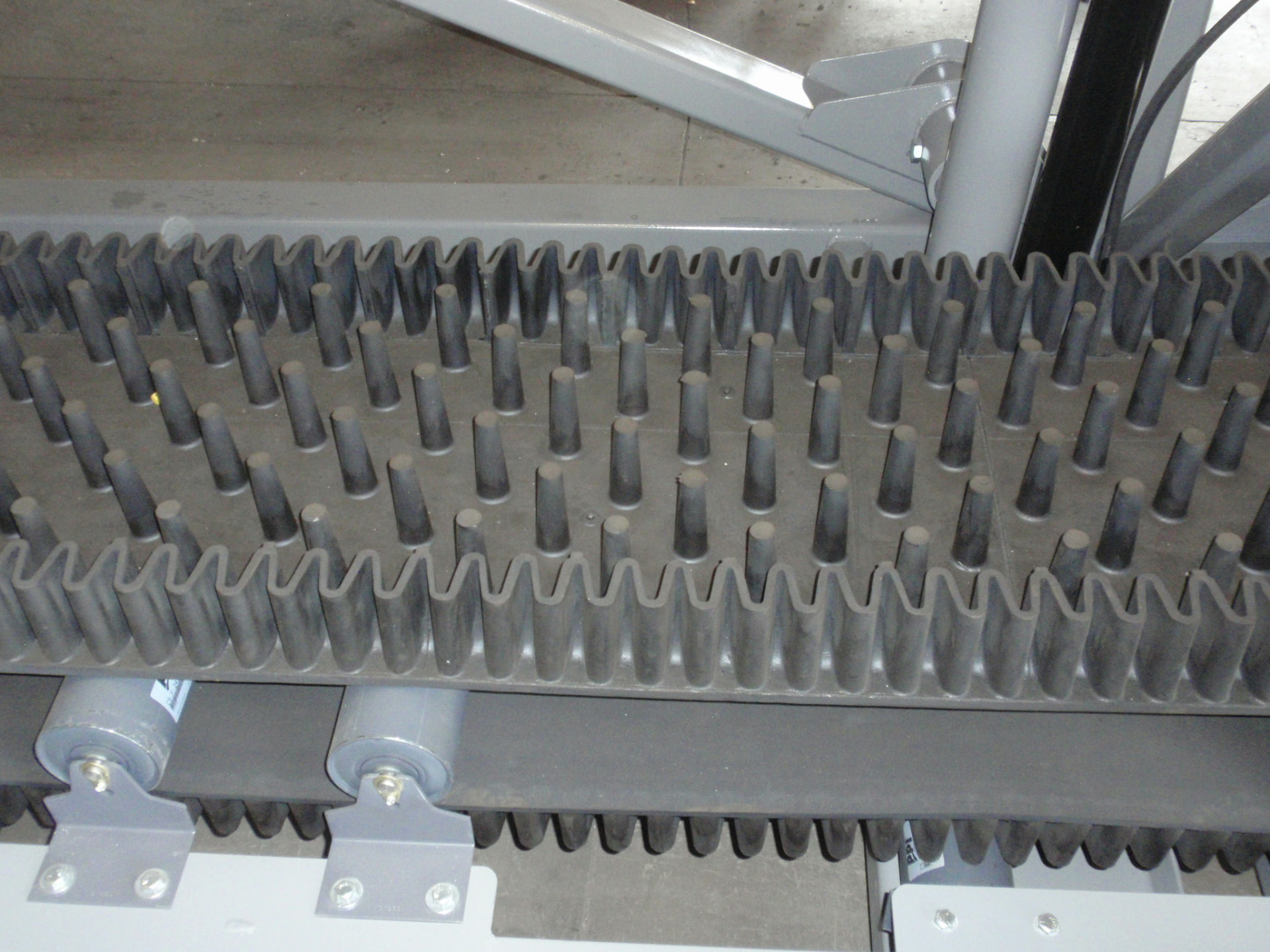
Molded nubs grip the climb. Throughput holds at the angle.
Does your belt have the right molecules?
Most operations have never been asked. It's the question that decides how long the belt — and the system around it — stays in service.
Rubber chemistry matched to your material, not to what's on the shelf.
Cleats and sidewalls molded in. Nothing glued on, nothing to delaminate.
Wear surface specified to impact, abrasion, and tons per hour.
Tension, lagging, and geometry designed so the whole system lasts, not just the belt.
Longer belt life.
Faster return to production.
More tons moved, lower cost per ton.
Say what's true.
Skip what's vague.
- Cambelt says
The belt is built in one piece. Nothing to delaminate. Nothing to fall off.
Not thisOur belts are generally known for being pretty durable.
- Cambelt says
Our belts move more product, faster, with less downtime.
Not thisWe believe our belts may help improve throughput in many cases.
- Cambelt says
If your project needs a standard, off-the-shelf conveyor, that's not what we build.
Not thisWe try to serve every customer and every application, no matter the size.
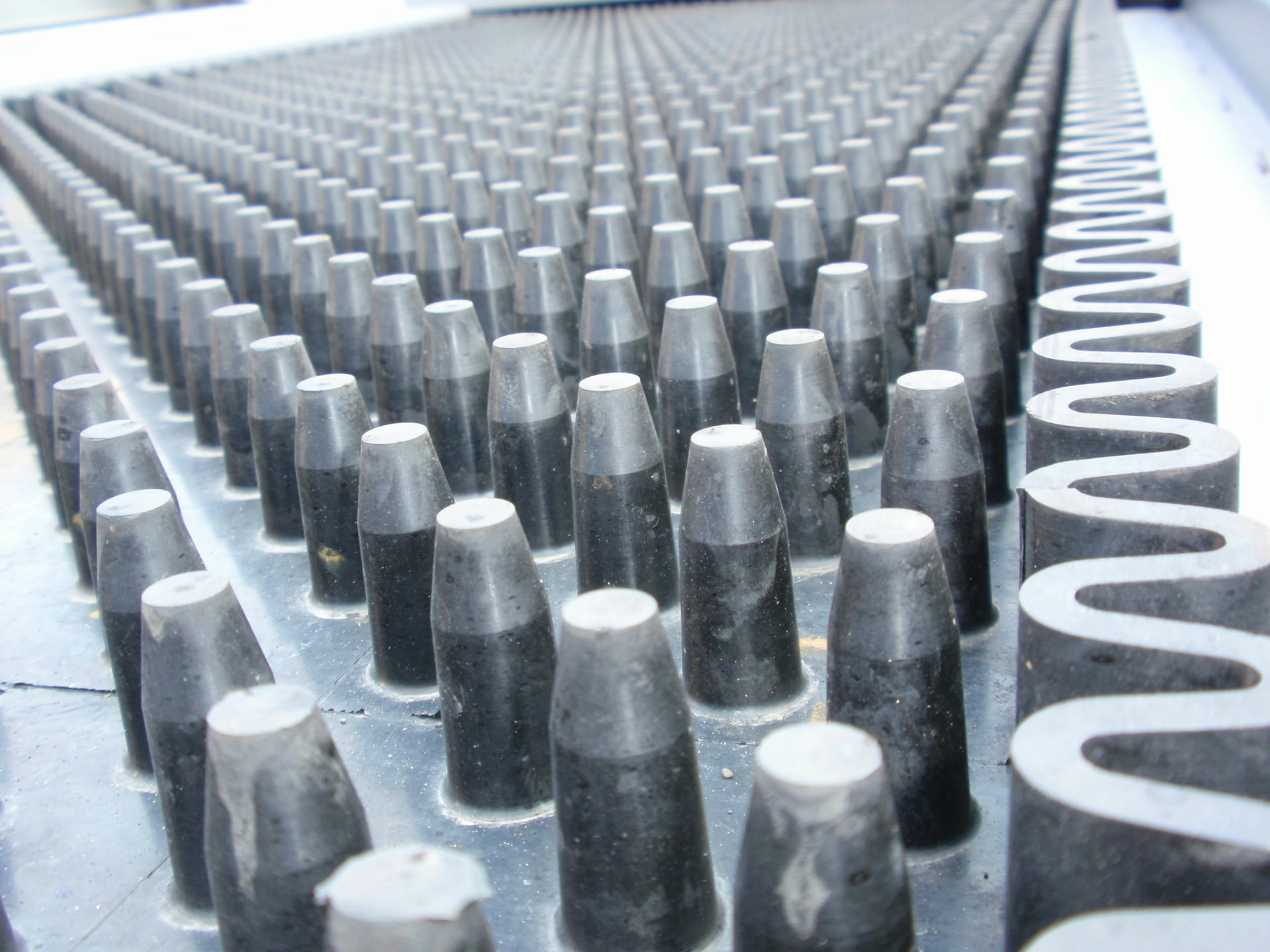
Molded corrugated sidewalls and cleats. One continuous piece of rubber.
Not a catalog part.
A specified one.
Compounds and fabrics are selected for the material and the environment. Cleats, nubs, sidewalls, and tensions are specified for the duty.
Cambelt maintains a library of tens of thousands of belt specifications and matches one to the customer's material, operating environment, and performance requirements.
Tens of thousands of specifications. One of them is yours.
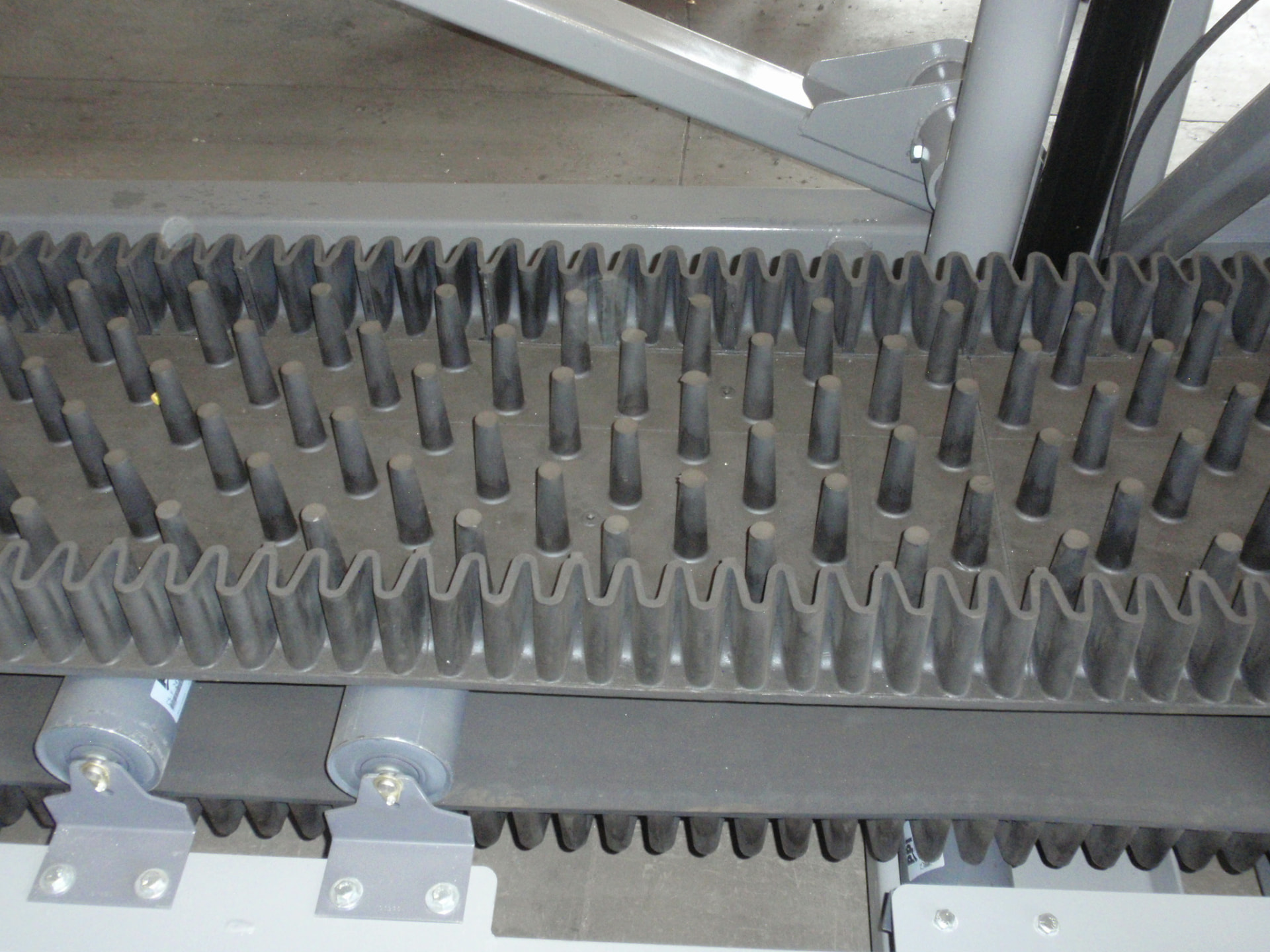
Every ton matters. Our belts are engineered, not assembled, pressed in one piece so there's nothing to delaminate, nothing to fall off. A better belt isn't a feature list. It's the whole difference.