
Fixed conveyor systems
Layouts engineered to the site, not the other way around. Inclines up to 70°, depending on the application, footprints that fit existing structure, one team accountable from drawing to delivery.
What fixed systems do
A fixed system is chosen where the material moves on the same path, every day, for years. These are the points in a process we build for.
Railcar Loading & Unloading
Fixed systems and Scorpion™ portable transloaders sized to turn cars faster.
Truck Loading & Unloading
High-throughput load-out engineered to the yard, not the other way around.
Marine & Vessel Loading
Port-side conveying built for volume and for controlling fugitive material near the water.
Stockpile Building & Reclaim
Radial stacking and reclaim conveying engineered to the pile geometry and the site footprint.
Crusher & Screen Feed
Belting built to withstand impact loading and the abrasive fines that come with it.
High-Incline Elevating
The lead capability: engineered systems with inclines up to 70°, depending on the application, moving material up instead of out.
In-Plant Transfer Conveying
Point-to-point conveying engineered around existing structure and constrained clearances.
Bagging & Packaging Feed
Controlled, consistent feed rates into packaging lines, tuned to the product.
Kiln, Dryer & Preheater Feed
Conveying built for the heat, dust, and duty cycle of thermal process equipment.
Silo & Bin Feed / Discharge
Reliable feed and discharge conveying engineered to the vessel and the material's flow characteristics.
Transitions, cleaning, and containment
The system around the belt determines whether the installation reaches its intended service life.
Hold-down disc assemblies
L and Z configurations use engineered hold-down discs through horizontal-to-incline and incline-to-horizontal transitions. Correct geometry supports belt life.
Belt cleaning
Cleated CamWall and CamFlex belts do not accept conventional scrapers. Rotary belt thumpers or air knives dislodge carryback from the return belt.
Open or enclosed
Modular systems can be supplied open or enclosed. Enclosed construction supports dust and fume containment where process or environmental control requires it.
Systems that were built
A selection of completed installations. Project details available on request — ask us to prove it.
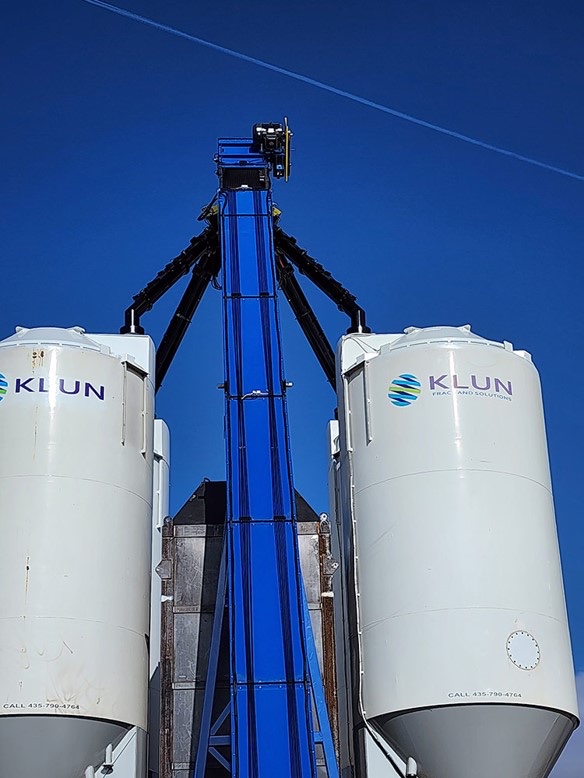
Up instead of out
A steep fixed climb between silos on a site with no room to run flat — geometry a conventional belt can't hold.
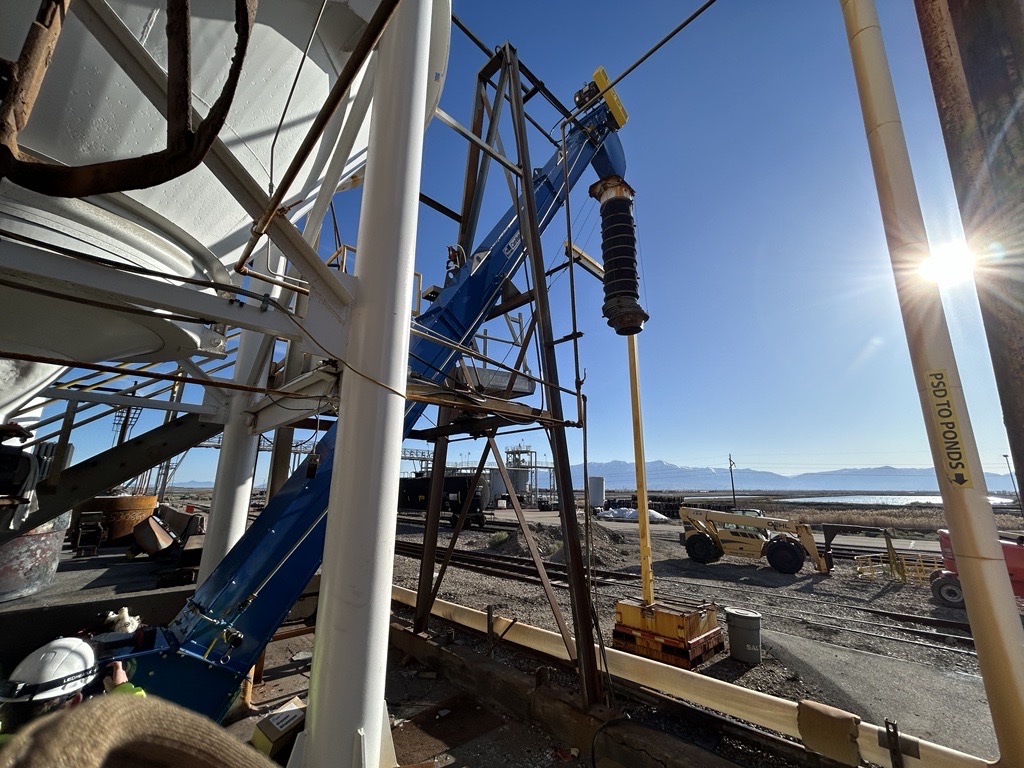
Into existing structure
Fixed systems engineered into live plants and existing steelwork, installed without rebuilding the site around them.
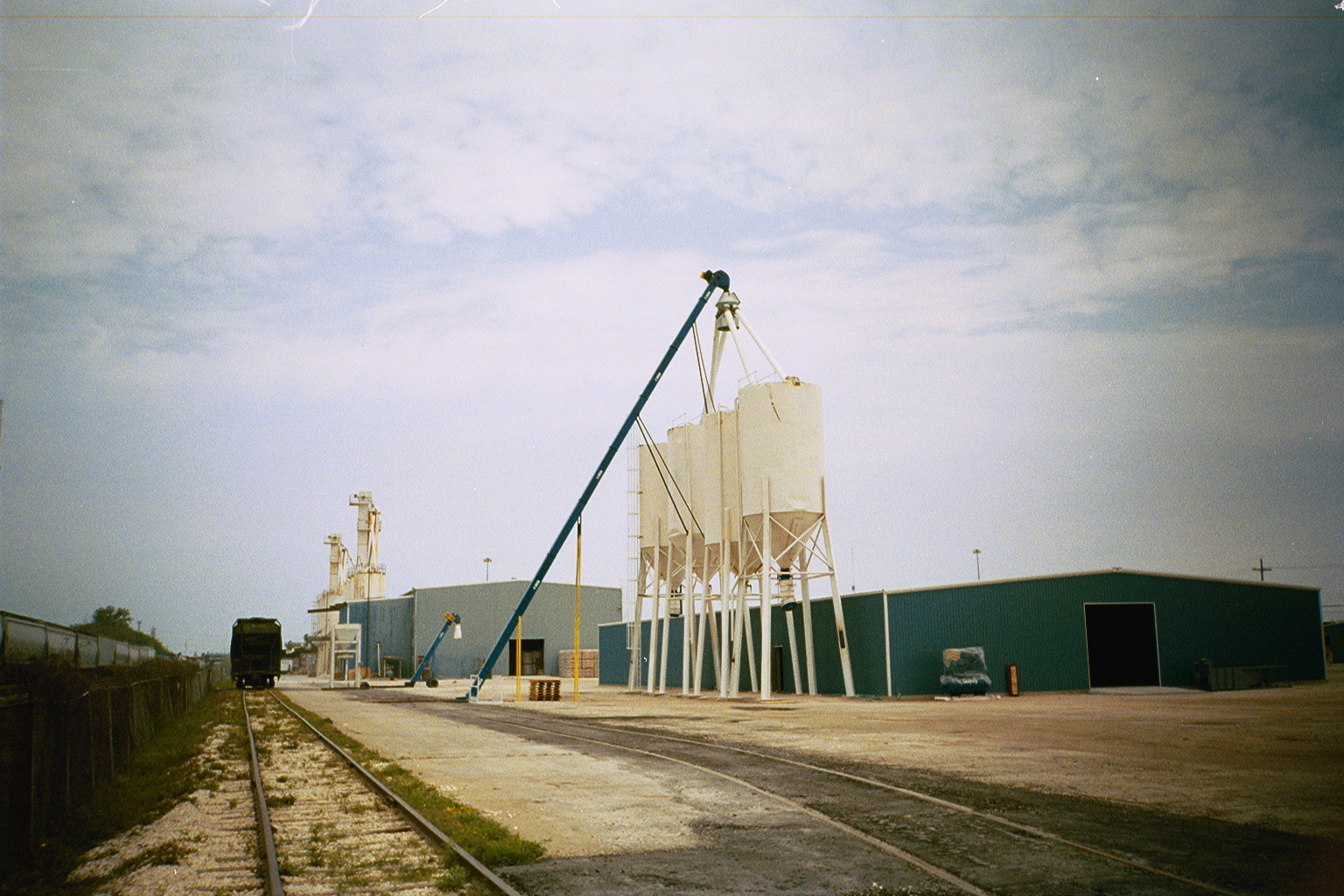
Delivered for decades
Cambelt has been engineering incline conveying into rail-served and plant sites since the 1960s — the archive photo to prove it.
Engineered in-house, drawn before it's built
Every fixed system starts as engineering, not as equipment: 3D models of the layout, general-arrangement drawings for review, and structural and mechanical design carried by the same team that will stand behind the installation. You see the system before steel is cut — and the drawings are the contract.
- 3D models of the complete installation, reviewed with your team
- General-arrangement and detail drawings issued for approval
- Compounds, fabrics, and drive design specified to the duty cycle
- Design-review discipline from inquiry through commissioning
Brochure
The custom high-incline conveyor brochure.
How Cambelt builds custom fixed conveyors for steep work: inclines from 0° up to 70°, a one-piece molded sidewall belt, and GritLock™ sealed external bearings — engineered to your site and built for the lowest total cost of ownership in dry bulk handling.
PDF · 1 page