
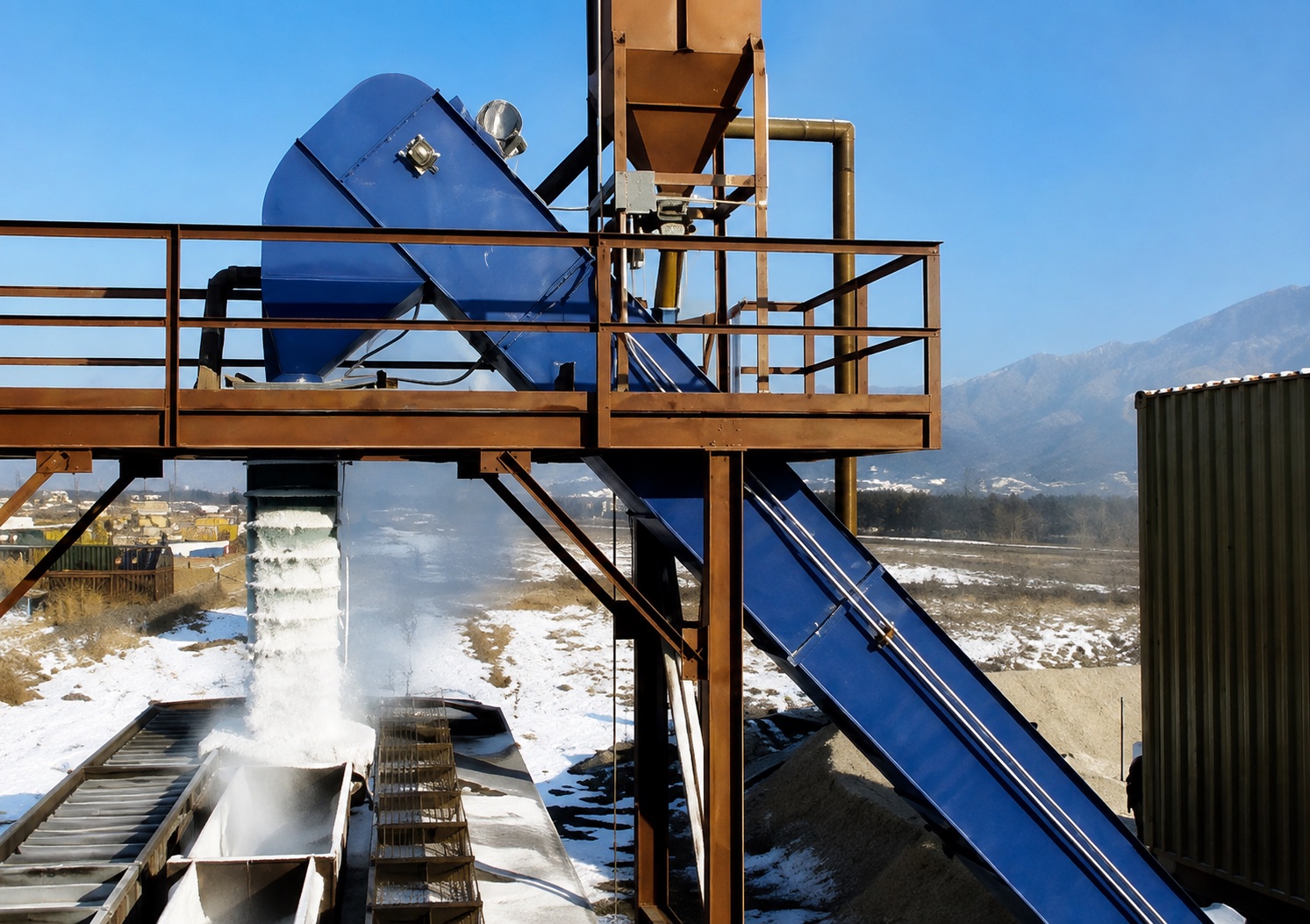
Up to seventy degrees.
Most belts stop at twenty.
When a site has no room to run flat, we go up.
Built around the application, not a standard configuration.
Better belt technology combined with application-specific engineering enables higher throughput, steeper inclines, smaller footprints, and conveying solutions conventional systems can't match.
- 01
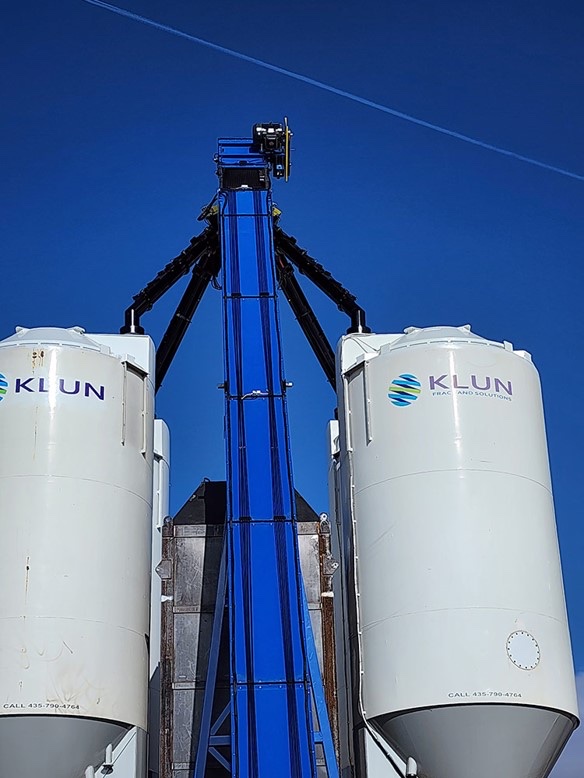
Steeper inclines
engineered systems up to 70°, depending on the application, where a standard belt taps out near 20°. Go up, not out.
- 02
Higher throughput
more tons per hour, through the same footprint.
- 03
Smaller footprints
fits sites with no room to spare.
- 04
Faster railcar loading and unloading, with fixed systems or portable transloaders sized to the site.
- 05
Difficult materials handled
hot, oily, light, abrasive, corrosive, or food grade.
- 06
One in-house engineering team, one point of accountability, from design through delivery.
What that means, by product family.
The belt is the cause. Here's the effect across everything we build.
Conveyor belts
- Longer belt life — nothing glued on, nothing to delaminate
- Compounds specified to the material, not carried over
- Throughput held through the climb
Fixed systems
- Inclines up to 70°, depending on the application — layouts with no room to run flat still work
- Smaller footprints inside existing structure
- One team accountable from 3D model to commissioning
Scorpion™ transloaders
- Fast railcar turns without a fixed installation
- Towable compact models, plus the self-propelled, ride-along 3015
- Rental and try-before-you-buy
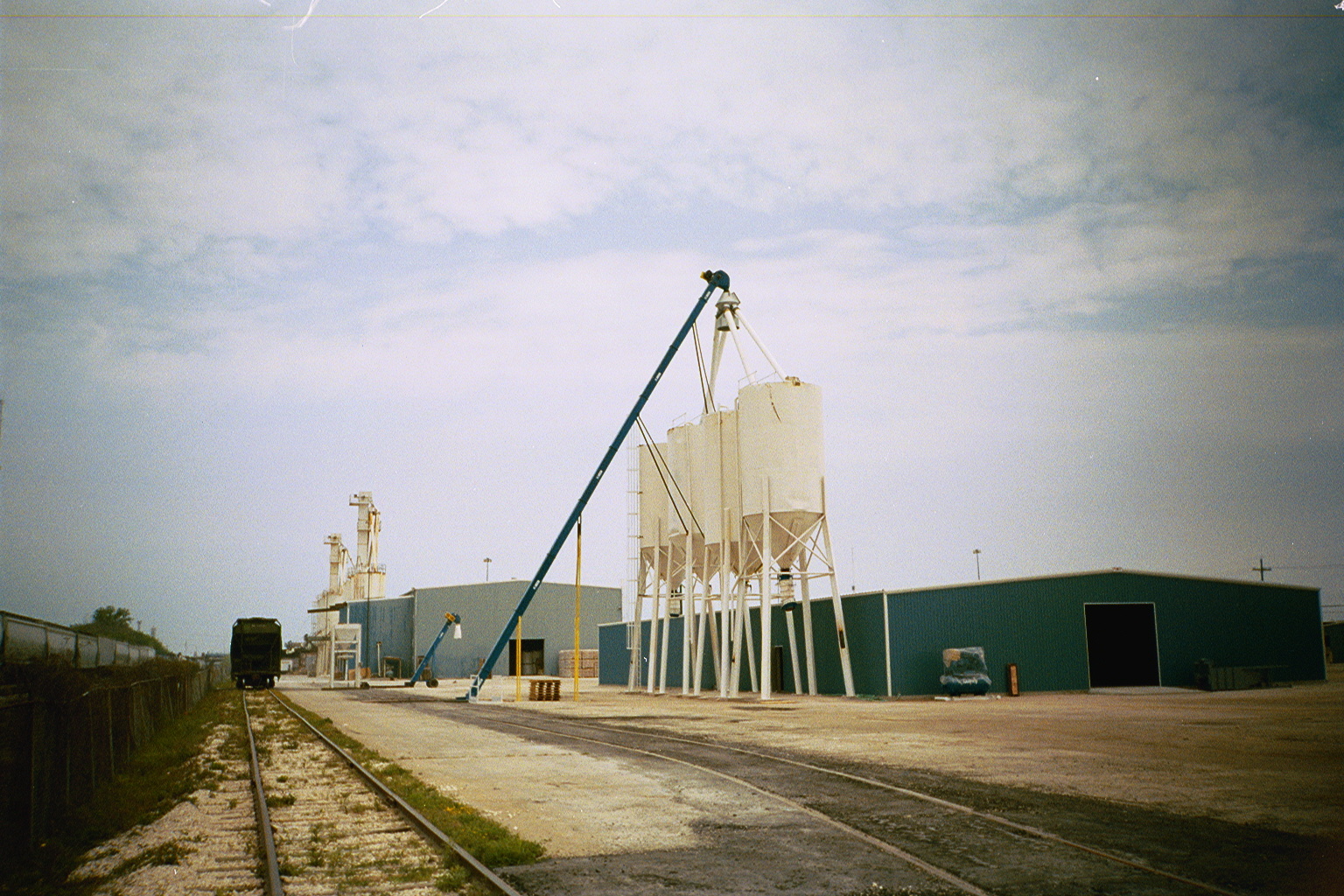
Up to seventy degrees, depending on the application. Where most belts tap out around twenty. That climb is the start of it: when a site has no room to run flat, we go up, move more tons per hour in less space, and do work conventional systems simply can't do.
Capability isn't the finish line. Cost of ownership is.
A longer-lasting belt and more tons per shift aren't separate claims. They're what makes the cost per ton drop.
Fewer stops.
Shorter stops.
More tons per shift.
Longer belt life, greater uptime, higher throughput, and application-specific design reduce the lifetime cost of moving material, even when the upfront investment is higher.
Mean time between failure
Longer belt life.
Mean time between service
Faster return to production.
Throughput per shift
More tons moved, lower cost per ton.
Move the conversation from purchase price to economic value.
Downtime has a price per hour. Fewer failures and faster recovery are the two ways to lower it, and Cambelt designs for both.
Belts that run longer between failures, and come back faster when they're serviced, cost less to own. Fewer stops. Shorter stops. More tons per shift. That's a heavyweight's math.