
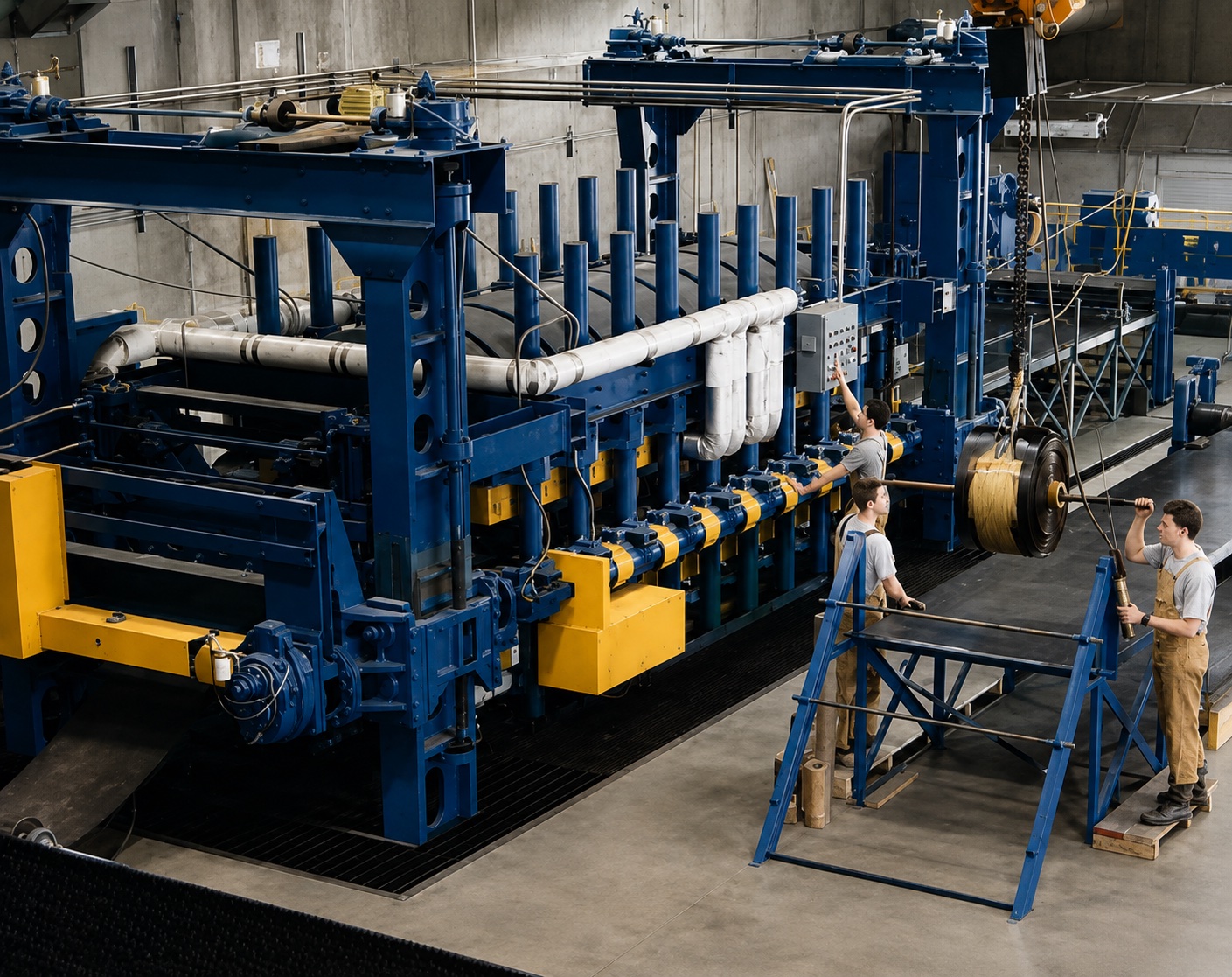
One in-house team.
One point of accountability.
This is how a better belt and more capability become a lower cost of ownership.
You don't buy engineering. You buy a belt that runs longer, a system that comes back faster, and more tons through the same footprint.
That's what Cambelt's in-house engineering team is for: one team, one point of accountability, sizing the system to your material, your environment, and your numbers.
- 01
Custom Engineered Systems
Designed to the application, not pulled from a catalog.
Systems are engineered to unique equipment footprints, constrained facility layouts, and specific material-handling goals. Custom molds and profiles are built for the customer's material and equipment, not adapted from a stock part.
- 02
High-Incline Conveying
Where flat belts run out of road, we keep climbing.
Because the belt is molded in one piece, it climbs where a standard belt can't, opening layouts that don't have room to run flat.
- 03
Difficult Applications
The projects other suppliers turn away.
Hot, oily, powder, abrasive, corrosive, or food-grade material. Constrained layouts. Tight timelines. These are the challenges Cambelt takes on, engineered around the material and the environment rather than forced into a standard build.
- 04
Engineering Support
From Rough Order of Magnitude to final design review.
Every project moves through the same disciplined process: a Rough Order of Magnitude estimate, an Engineering Time & Materials study where scope needs to be defined further, a Project Design Review after purchase order acceptance, and a Final Design Review before manufacturing begins. Nothing ships until the engineering is right.
- 05
Decades of Experience
Engineering and field-testing conveyor applications since 1959.
Belt science built over decades, applied to the material, environment, and duty cycle in front of us today.
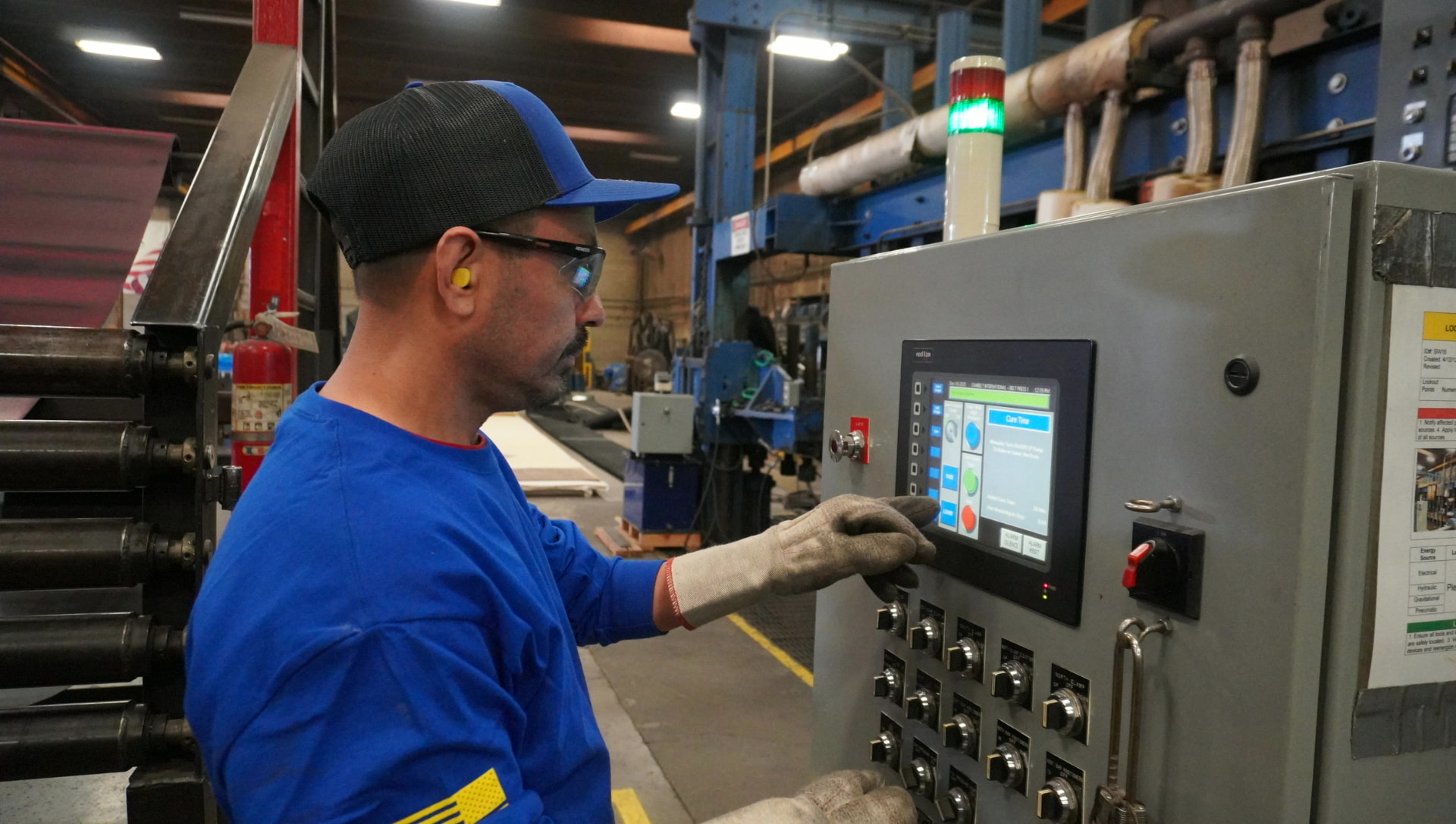
Nothing ships until the engineering is right.
- 01Rough Order of Magnitude estimate
- 02Engineering Time & Materials study
- 03Project Design Review after PO acceptance
- 04Final Design Review before manufacturing