
OEM conveyor belting / Custom-engineered by Cambelt
OEM Conveyor Belting
Your conveyor. Our one-piece molded belt.
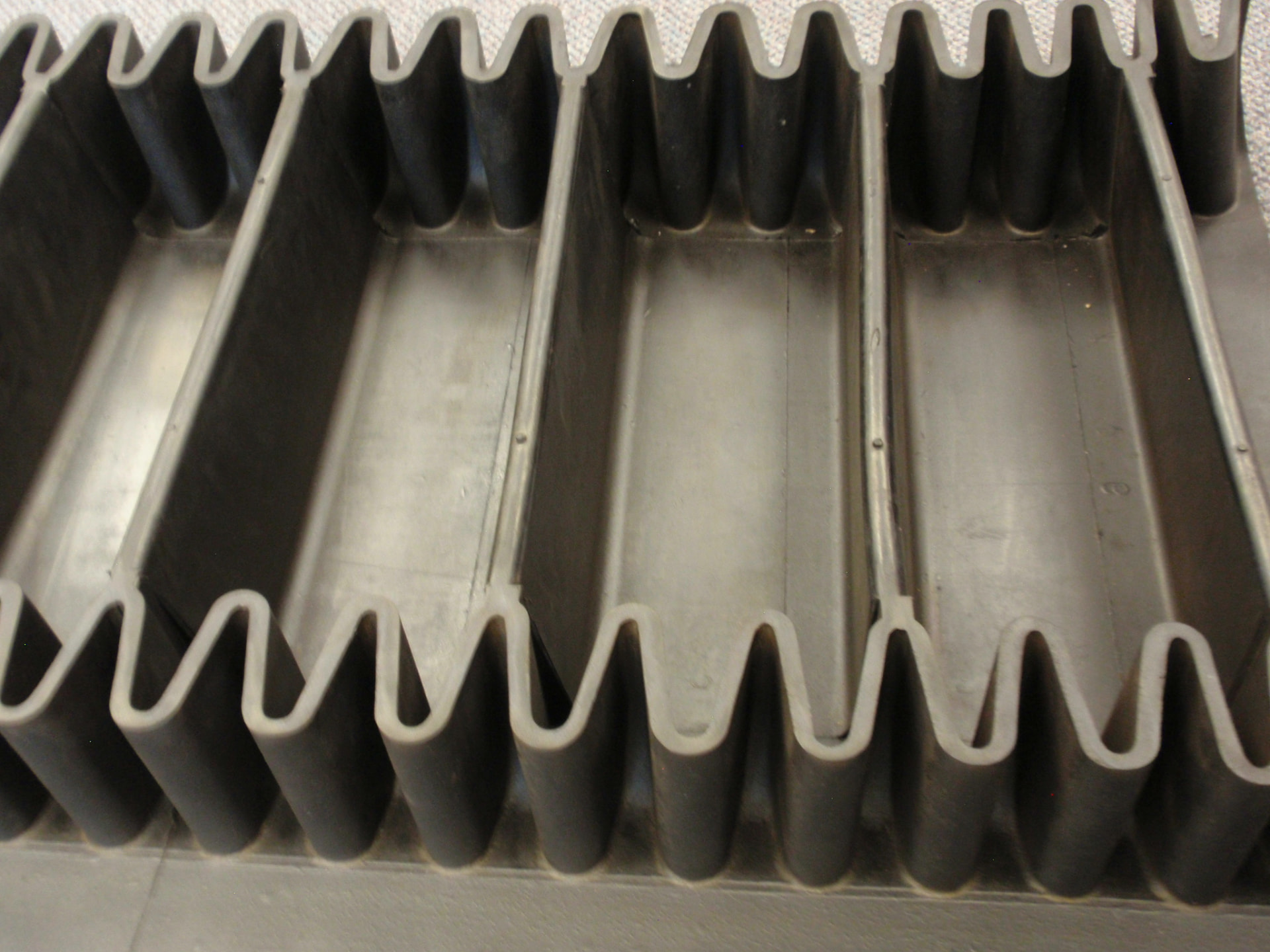
Build steep-incline conveyors around Cambelt’s one-piece molded sidewall belting. Integrated sidewalls and cleats or nubs eliminate glued-on components, while application-led engineering helps conveyor manufacturers specify the right belt for bulk material handling.
Why OEMs specify Cambelt
A stronger foundation for your equipment.
01
One piece. No glue.
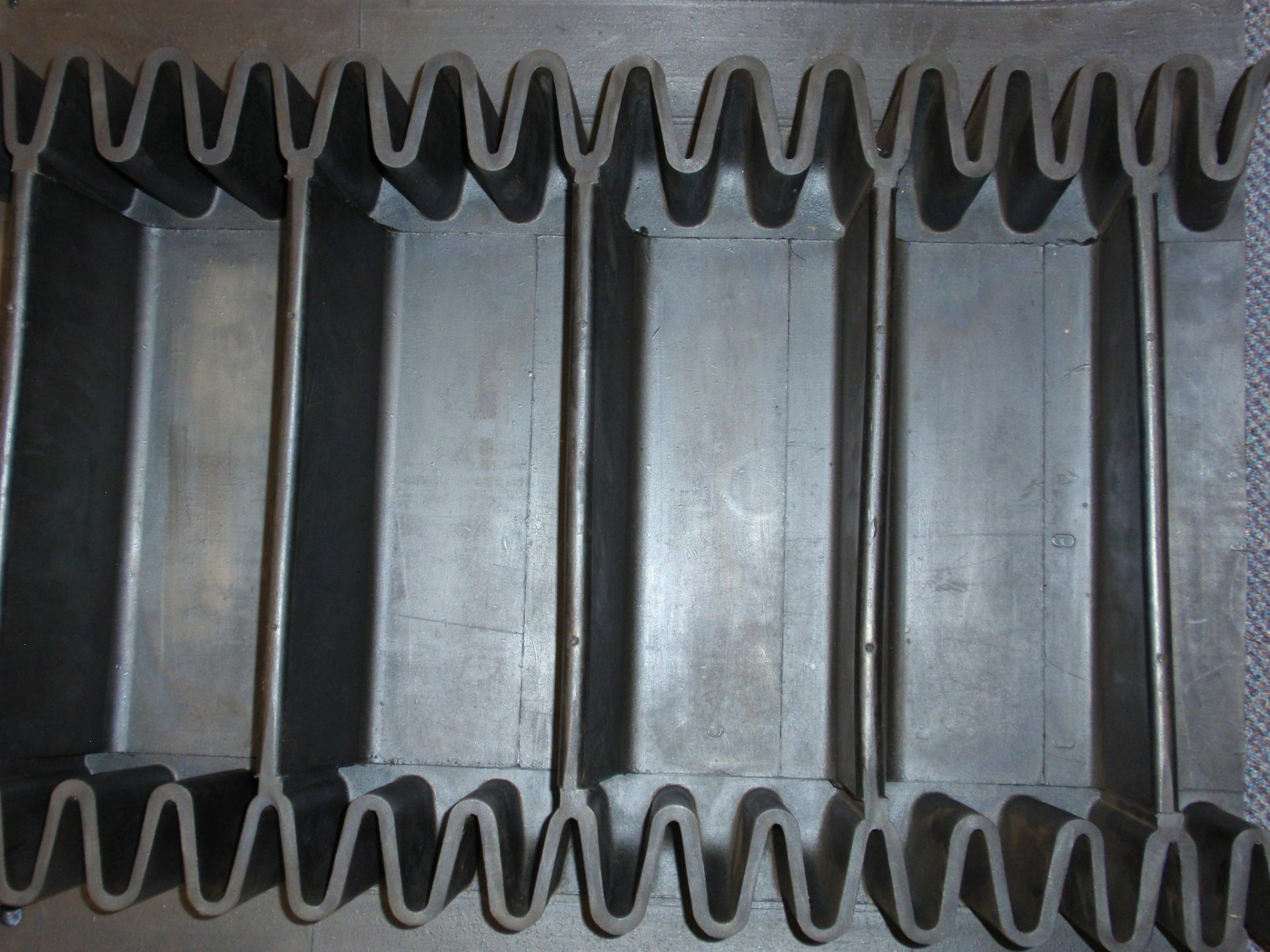
Our sidewalls and cleats are molded directly into the belt, eliminating glued-on components and glued-joint delamination.
02
Engineered for steep inclines.
Our proprietary belting technology allows OEMs to design compact, high-incline conveyor systems with fewer transfer points.
03
Built for industrial duty.
Designed for abrasive materials, demanding applications, and continuous industrial operation.
04
Your equipment. Our belting expertise.
Work with Cambelt to select belt construction, dimensions, and configurations for your conveyor designs.
Molded sidewall belts, not bonded assemblies
Remove the glued joint from your design.
Cambelt cures the base belt, sidewalls and carrying features together. Unlike a belt assembled with glued-on sidewalls, that one-piece construction has no glued sidewall joint to peel or delaminate. It does not remove the need to engineer the splice, belt tension or conveyor interfaces.
For conveyor manufacturers, the belt becomes part of the equipment design—not an afterthought. Match compounds, reinforcement and carrying geometry to the material and duty cycle, and review pulley, transition and return-run requirements with Cambelt before finalizing your machine.
Explore molded CamWall sidewallsChoose the construction. Engineer the fit.
Your design. The right belt.
Custom conveyor belts for manufacturers start with the application: material, conveyor geometry, incline, and throughput. Compare Cambelt’s one-piece molded belt families, then work with our team to specify the construction for your equipment.
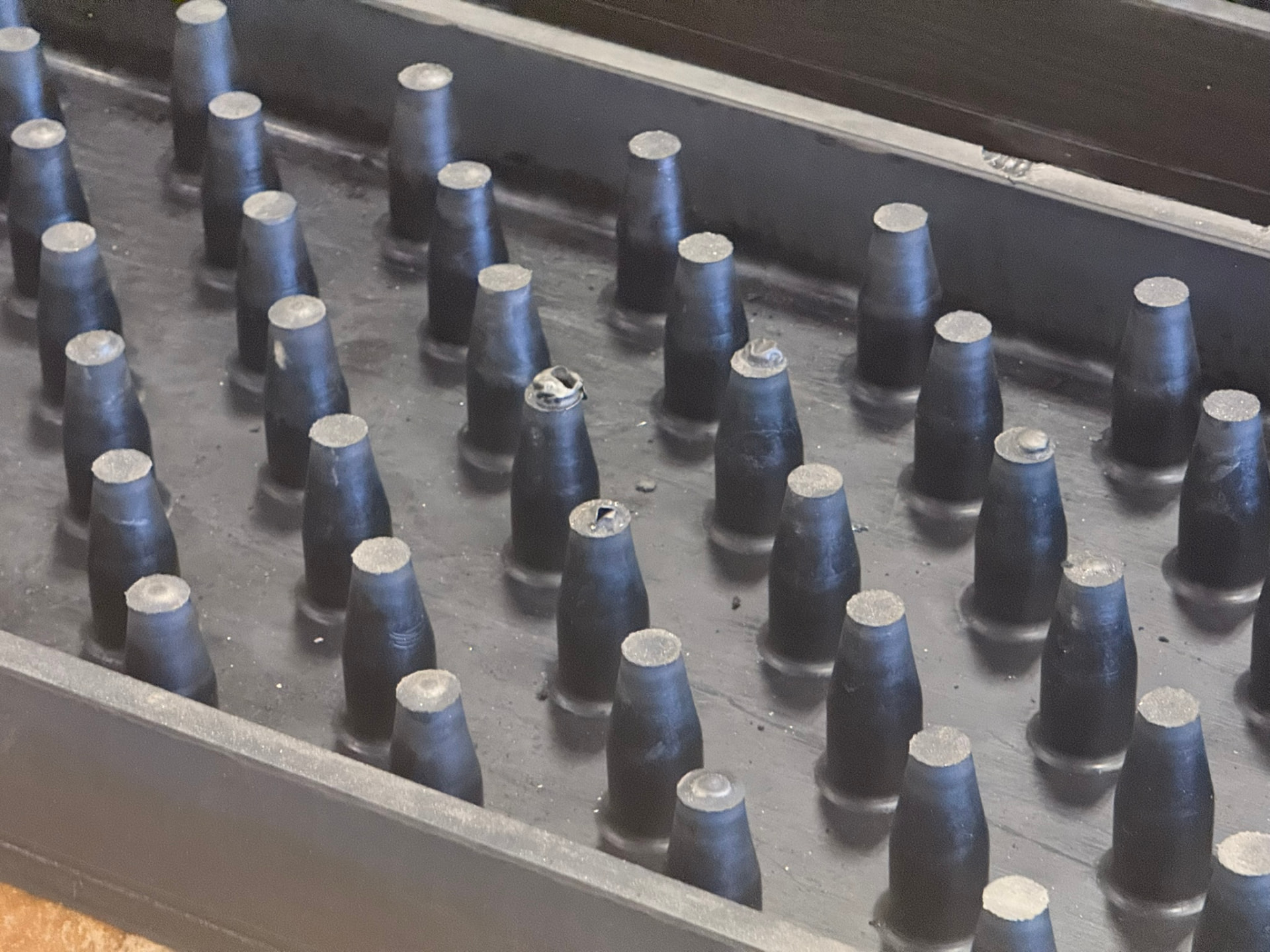
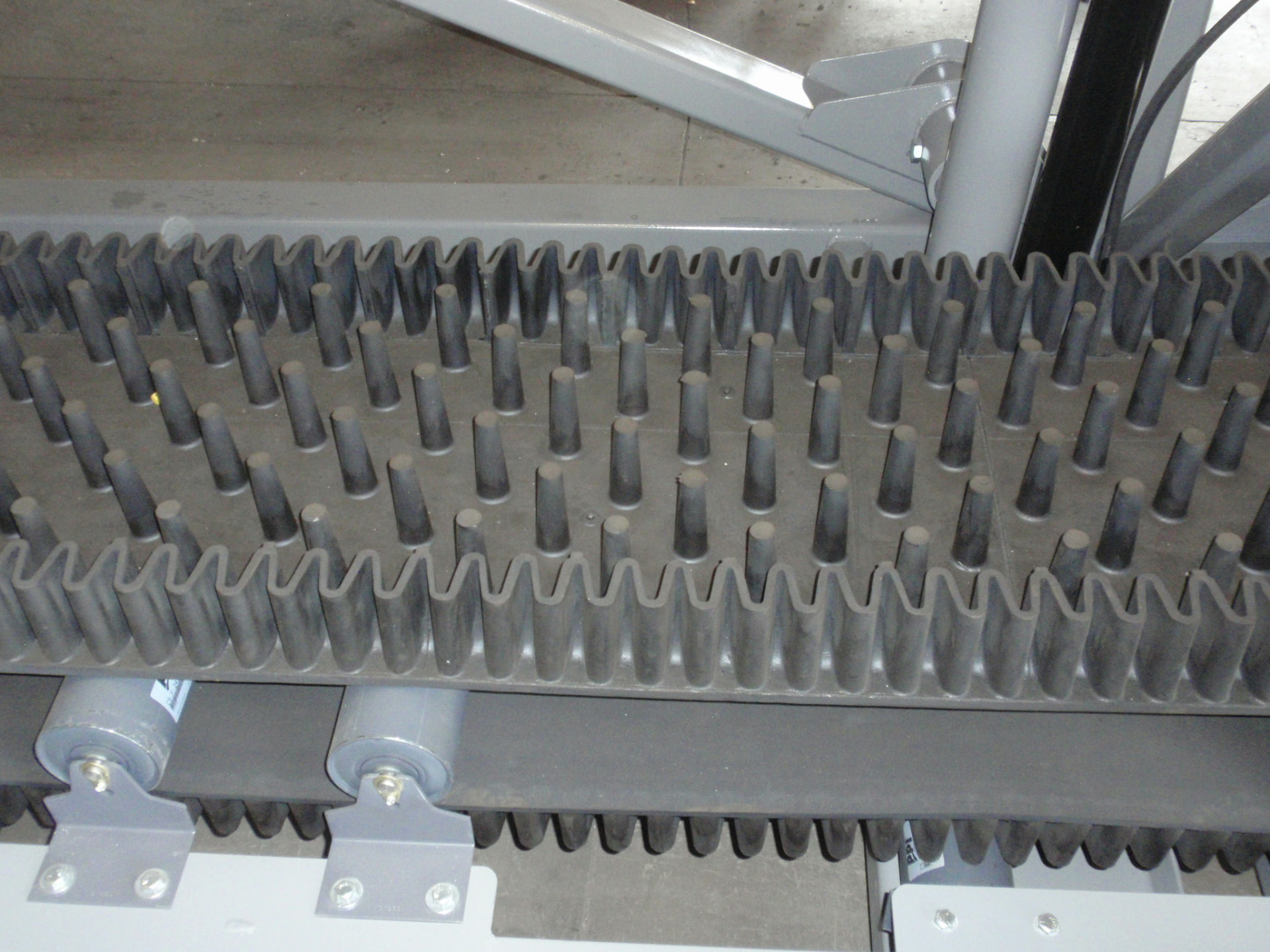
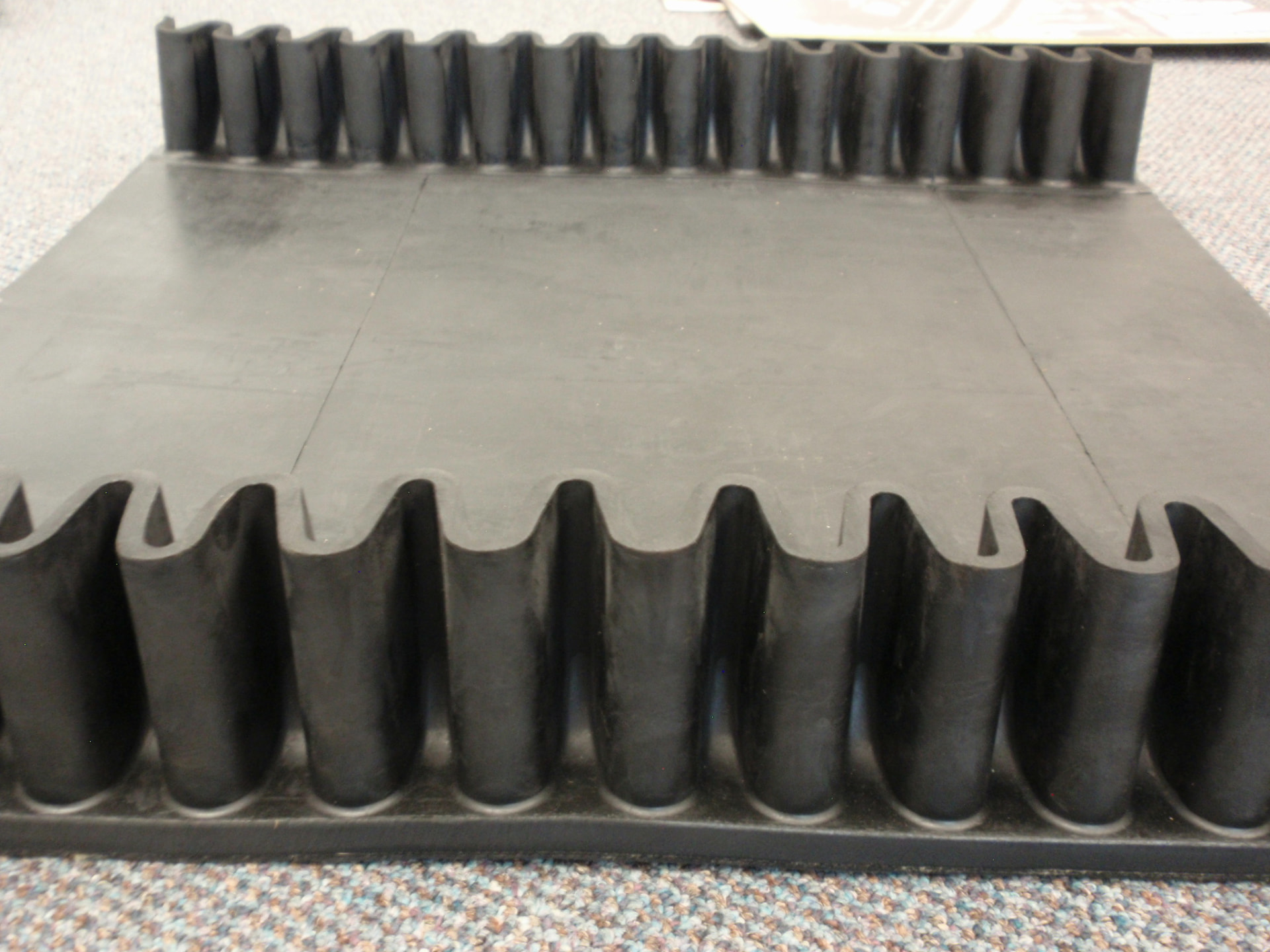
For corrugated sidewall conveyor belting, CW supports straight inclines; recessed CWR supports L and Z layouts. CamFlex supports straight, L, and Z configurations. Belt dimensions and operating conditions are confirmed during engineering review.
Compare conveyor belt optionsSteep-incline conveyor belting / Bulk material handling
Design around the material and the climb.
Sidewall containment and application-specific carrying geometry help OEMs address steep rises and constrained footprints. Reducing intermediate transfers can reduce opportunities for spillage and dust; actual incline, capacity and belt speed depend on the material and complete conveyor design.
Sand & frac sand
Fine, abrasive material: review wear, containment, moisture and throughput.
Review applicationAggregates & crushed stone
Dense, sharp material: review impact loading, particle size and cover construction.
Review applicationEngineering resource / Review edition
OEM Conveyor Belting Engineering Specification Guide
A practical checklist for material characteristics, conveyor geometry, belt interfaces and operating conditions. Gather what you know; Cambelt engineering confirms the final belt selection.
Download Guide for ReviewPDF · 4 pages · Review draft, not a final engineering specification.
- 01Define the material and required flow
- 02Document the incline and conveyor layout
- 03Confirm belt dimensions and mechanical interfaces
- 04Review operating duty and construction with Cambelt
OEM technical specification request
Let's specify the right belt for your equipment.
Tell us about your conveyor and material handling requirements. Our team will help identify the appropriate Cambelt belting configuration.
The inquiry form below is disconnected in this review. No information can be submitted. Use the specification guide to prepare your application details.